
Dr. Ismail Badran: Bridging Quantum Chemistry and Industrial Applications Through Interdisciplinary Research
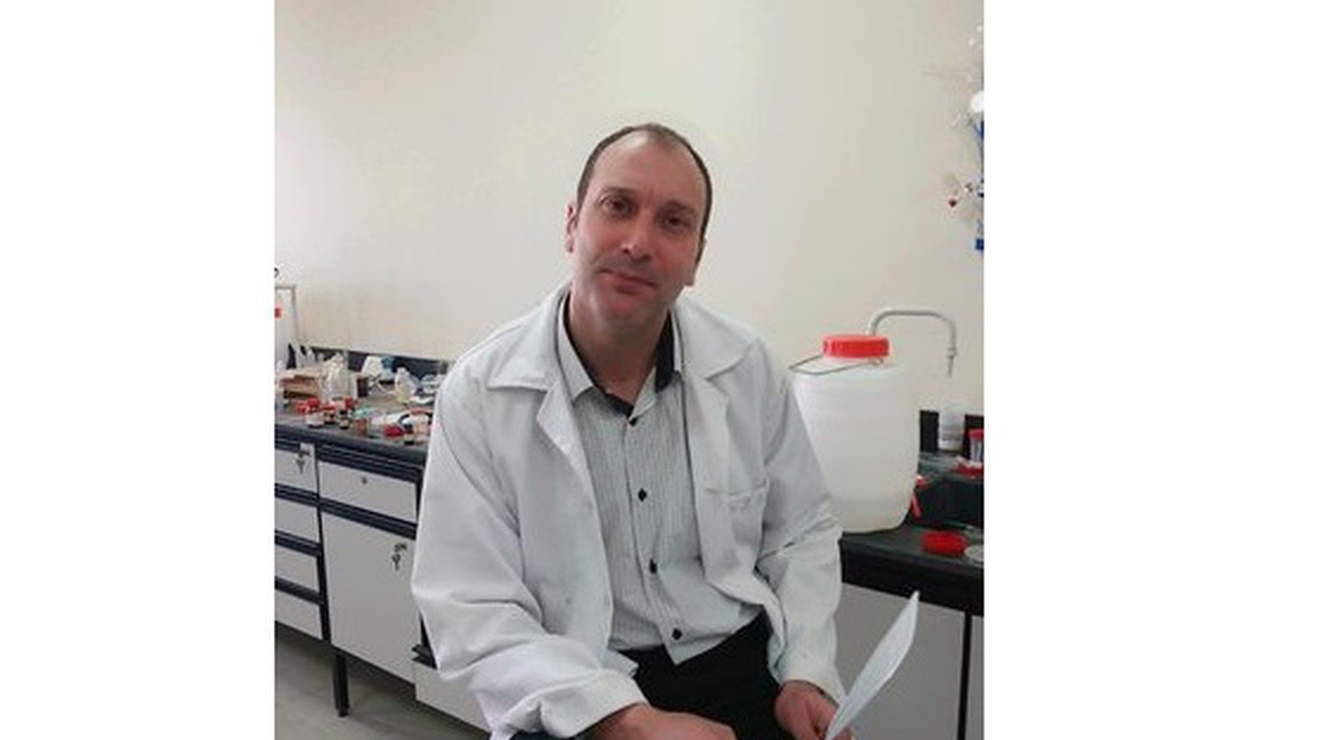
An Inspirational Researcher in Interdisciplinary Studies
Dr. Ismail Badran is an Associate Professor of Physical Chemistry at An-Najah National University. He earned his PhD in Physical Chemistry from the University of Calgary, Alberta, Canada in 2014. Dr. Badran has extensive teaching experience across Palestine, Canada, and the Arabian Gulf, bringing a global perspective to his educational approach.
Building on a solid foundation in chemistry, mathematics, technology, and research, Dr. Badran has developed a student-centered teaching philosophy. His approach emphasizes active learning in a collaborative classroom, enabling students to engage deeply with complex concepts and develop critical thinking skills.
Dr. Badran has authored over 35 peer-reviewed journal articles and presented at numerous international conferences. He has received several national and international awards and research grants, including the Queen Elizabeth II Scholarship, Zamala Fellowship for Palestinian Scholars, and Qatar University Collaborative Grant. He serves as Deputy Editor of the An-Najah University Journal for Research – A (Natural Sciences), an academic editor for Discover Chemistry (Springer Nature), and is an Elsevier Certified Peer Reviewer.
Dr. Badran’s research focuses on reaction mechanisms, chemical kinetics, and the development of advanced techniques for wastewater treatment, oil upgrading, and methane conversion. He has a strong commitment to interdisciplinary research, particularly at the interface of chemistry and chemical engineering, where experimental findings are interpreted through the lens of quantum computational methods. His work integrates traditional chemistry with modern data analysis tools and machine learning, allowing for predictive modeling and optimization of chemical processes.
His research philosophy emphasizes producing high-quality work with both intellectual depth and practical relevance. This is evident in his high-impact publications, supervision of graduate students, management of university research grants, coordination of large courses, and long-term leadership as a lead instructor.
Originally from Palestine, Dr. Badran has spent significant periods of his life in Canada and the Arabian Gulf. He is married and has three children.
The Beginning of the Journey
My research interests lie broadly within physical chemistry, with an emphasis on reaction mechanisms and kinetics. As a chemist, I believe that developing an understanding of chemical reactions at the molecular level is crucial in the optimization of industrial processes. A common strand among my current and future research interests is to find solutions for environmental and industrial problems through an improved understanding of their associated chemical reactions. This research statement includes both current and previous fields of interest.
Interdisciplinary (Multidisciplinary) Research Approach
My research is inherently interdisciplinary, bridging physical chemistry, chemical engineering, and environmental science to address industrial and environmental challenges. I integrate experimental chemistry with computational and theoretical approaches, applying quantum mechanical calculations to interpret reaction mechanisms and kinetics. This allows me to explain experimental observations at the molecular level, identify transition states, and predict reaction pathways, particularly for complex systems such as methane dehydroaromatization, ammonia synthesis, and photocatalytic degradation of industrial wastewater. By combining chemistry with modern data analysis tools and machine learning, I optimize processes such as catalyst design, adsorption, and photodegradation. For instance, in wastewater treatment, I analyze diffusion, adsorption, and desorption kinetics to enhance contaminant removal efficiency. In methane conversion and ammonia production, computational modeling guides the synthesis of highly active catalysts, bridging the gap between theory and industrial application. My work also intersects with chemical engineering, as I design photocatalytic reactors and industrial-scale processes that are energy-efficient and environmentally sustainable. This integration allows me to translate molecular-level insights into practical technological solutions. Furthermore, I emphasize training students in interdisciplinary research, equipping them with skills in quantum chemistry, programming, and data analytics, while reinforcing a deep understanding of physical, organic, and inorganic chemistry. This approach ensures that research outputs are both scientifically rigorous and practically meaningful.
Major Interdisciplinary Research Contributions
1. Badran I, Yousef D, Manasrah AD, Al-Smadi D, Hashlamoun K, Nassar NN. “Synthesis and thermo- oxidative kinetic analysis of cellulose microfibers from palm leaves using ammonia fiber expansion.” BMC Chemistry. 2026 Dec;20(1):5.
In this study, we developed a sustainable method to convert agricultural waste, specifically palm leaves, into cellulose microfibers (CMF) using ammonia fiber expansion and acid hydrolysis. The research combined chemistry, materials science, and thermal analysis to characterize the fibers’ structure, stability, and reaction kinetics. By integrating experimental methods with kinetic modeling, we were able to optimize the process and identify the energy requirements and molecular transformations during conversion. This interdisciplinary approach supports potential industrial-scale applications for biomass valorization and energy production.
2. Assali M, Sawalha S, Hamad R, Badran I, Eid A. “Chitosan-functionalized amino acids as biostimulants for advancing sustainable agriculture”. International Journal of Biological Macromolecules. 2025 Sep 22:147831.
This work combined chemistry, plant science, and agricultural engineering to design sustainable biostimulants. We chemically functionalized chitosan with amino acids such as tryptophan, valine, and lysine, and evaluated their effects on barley growth. By linking chemical synthesis with plant physiology and performance metrics, we demonstrated significant improvements in stem, root, and leaf growth. This project exemplifies how chemical design can be directly applied to solve real-world challenges in agriculture and sustainability.
3. Badran I, Hashlamoun K, Nassar NN. “Bond dissociation energies of the fifth‐row elements (In I): A quantum theoretical benchmark study.” International Journal of Quantum Chemistry. 2023 Dec 5;123(23):e27222.
Here, we applied quantum chemistry to predict bond strengths in heavy elements where experimental data are limited. This work integrated theoretical chemistry, computational modeling, and data analysis to benchmark methods such as density functional theory and coupled-cluster calculations. By comparing computational predictions with experimental trends, we validated theoretical approaches and provided reliable data for chemical and materials applications, bridging chemistry with computational physics and informatics.
Across these projects, my research consistently integrates chemistry with other disciplines—materials science, plant biology, chemical engineering, and computational modeling—demonstrating how interdisciplinary approaches can generate solutions with both scientific and practical impact.
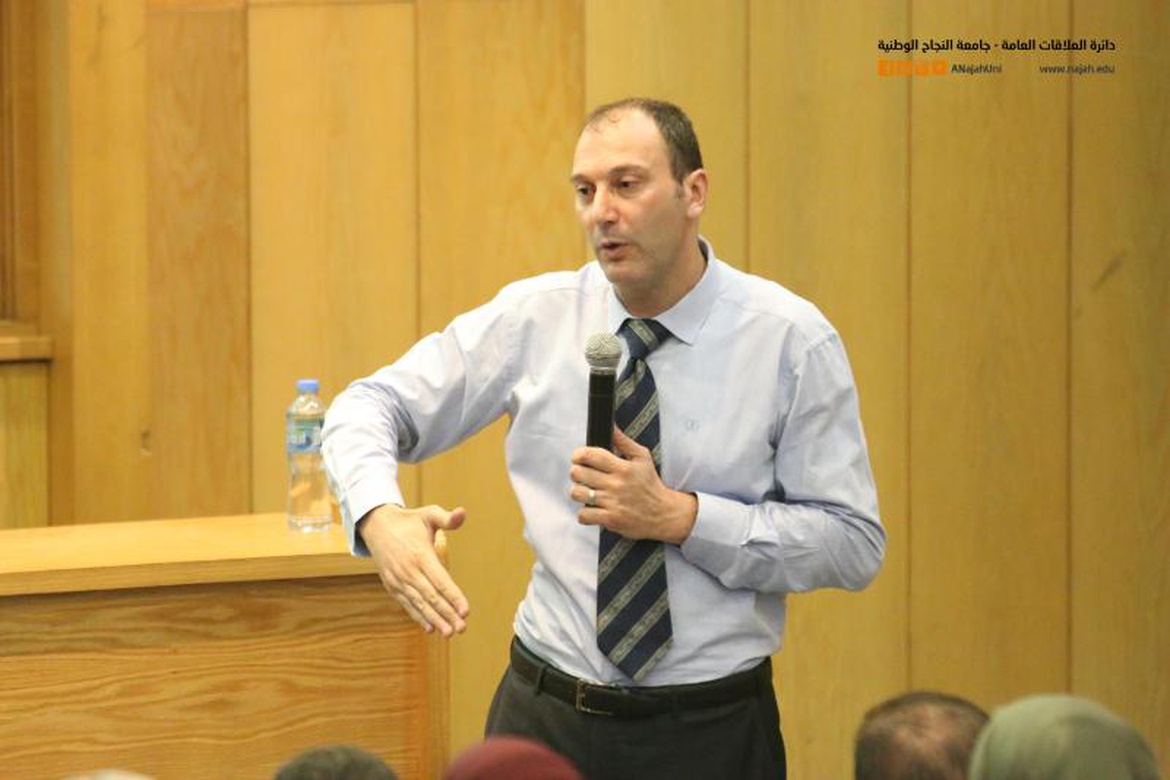
Conclusion
Science has been the center of my life, guiding both my research and teaching. From exploring chemical reactions at the molecular level to developing practical solutions for energy, wastewater, and sustainable agriculture, I have committed myself to understanding and solving real-world challenges. My work has always crossed disciplinary boundaries, combining chemistry with chemical engineering, materials science, computational modeling, and data analysis, because I believe that the most meaningful discoveries come from connecting fields. Equally important is mentoring students and young researchers, sharing not only knowledge and techniques but also a passion for rigorous, curious, and responsible science. For me, research is more than a career—it is a lifelong pursuit of knowledge, creativity, and contribution. Every experiment, calculation, and project is part of a larger effort to generate knowledge that benefits both the scientific community and society at large.
1. Badran I, Yousef D, Manasrah AD, Al-Smadi D, Hashlamoun K, Nassar NN. Synthesis and thermo- oxidative kinetic analysis of cellulose microfibers from palm leaves using ammonia fiber expansion. BMC chemistry. 2025 Dec 2.
2. Assali M, Sawalha S, Hamad R, Badran I, Eid A. Chitosan-functionalized amino acids as biostimulants for advancing sustainable agriculture. International Journal of Biological Macromolecules. 2025 Sep 22:147831.
3. Badran, I., & Thaher, M. N. (2025). Isoconversional and DFT Investigation of the Thermal Decomposition of Levofloxacin. Moroccan Journal of Chemistry, 13(1), 248-268.
4. Badran, I. (2024). From germolane to germylenes: a theoretical DFT study of thermal decomposition pathways and reactivity. Journal of Coordination Chemistry, 77(20-21), 2440-2452.
5. Badran, I., & Al-Ejli, M. O. (2024). Efficient adsorptive removal of methyl green using Fe3O4/sawdust/MWCNT: Explaining sigmoidal behavior. Materials Today Communications, 41.
6.Titi, A.; Badran, I.; Dahmani, M.; Messali, M.; Touzani, R.; Zarrouk, A.; Garcia, Y.; Al-Noaimi, M.; Suleiman, M.; Warad, I. (2023). Rapid microwave synthesis of tetrahedral pyrazole/Co(II) complex: [N-H···Cl] synthon, XRD/HSA-interactions, DFT/TD-DFT, physiochemical, antifungal, antibacterial, and POM bio-calculations. Journal of Molecular Structure, 1293.
7. Badran, I., Hashlamoun, K., Nassar, N. N. (2023). Bond dissociation energies of the fifth-row elements (In-I): A quantum theoretical benchmark study. International Journal of Quantum Chemistry., 123(20).
8. Badran, I. and Riyaz, N. S., (2023). The mechanism of fluorescence quenching of naphthalimide A/C leak detector by copper (II). BMC Chemistry, 17 (1), 69
9. Assali, M., Kittana, N., Badran, I., and Omari, S. (2023). Covalent functionalization of graphene sheets for plasmid DNA delivery: experimental and theoretical study. RSC advances 13, 7000-7008.
10. Al-Akbari, R., Razi, M., Badran, I., and Nassar, N. N. (2023). Thermo-Oxidative Conversion of PDC as a Molecular Model of Residual Feedstocks to Oxygen-Rich Chemicals. Reaction Chemistry & Engineering. 8, 1083-1096
11. Badran, I., Al-Ejli, M. O., and Nassar, N. N. (2023). Applications of nanomaterials for adsorptive removal of various pollutants from water bodies. In "Nanoremediation", pp. 25-62. Elsevier.
12. Badran, I. (2023). Natural, biosynthesized, polymeric, and other remediation nanoreagents. In &Nanoremediation" pp. 259-281. Elsevier.
13. Badran, I., and Al‐Ejli, M. O. (2022). Efficient Multi‐walled Carbon Nanotubes/Iron Oxide Nanocomposite for the Removal of the Drug Ketoprofen for Wastewater Treatment Applications. ChemistrySelect 7 (38). e202202976
14. Riyaz, N. S., and Badran, I. (2022). The catalytic thermo-oxidative decomposition of glimepiride using the isoconversional method. Journal of Thermal Analysis and Calorimetry 147, 10755-10765.
15. Badran, I., Riyaz, N. S., Shraim, A. M., and Nassar, N. N. (2022). Density functional theory study on the catalytic dehydrogenation of methane on MoO3 (010) surface. Computational and Theoretical Chemistry 1211, 113689.
16. Badran, I., Tighadouini, S., Radi, S., Zarrouk, A., and Warad, I. (2021). Experimental and first-principles study of a new hydrazine derivative for DSSC applications. Journal of Molecular Structure 1229,129799.
17. Badran, I., Qut, O., Manasrah, A. D., and Abualhasan, M. (2021). Continuous adsorptive removal of glimepiride using multi-walled carbon nanotubes in fixed-bed column. Environmental Science and Pollution Research 28, 14694-14706.
18. Badran, I., and Talie, Z. (2021). Kinetics of Alizarin Dye Hydrolysis in Alkaline Medium for Wastewater Treatment. Iranian Journal of Chemistry and Chemical Engineering (IJCCE) 40, 1490-1501.
19. Badran, I., Manasrah, A. D., Hassan, A., and Nassar, N. N. (2020). Kinetic study of the thermo-oxidative decomposition of metformin by isoconversional and theoretical methods. Thermochimica Acta 694,
178797.
20. Badran, I., and Khalaf, R. (2020). Adsorptive removal of alizarin dye from wastewater using maghemite nanoadsorbents. Separation Science and Technology 55, 2433-2448.
21. Badran, I., Manasrah, A. D., and Nassar, N. N. (2019). A combined experimental and density functional theory study of metformin oxy-cracking for pharmaceutical wastewater treatment. RSC advances 9, 13403-13413.
22. Badran, I., Hassan, A., Manasrah, A. D., and Nassar, N. N. (2019). Experimental and theoretical studies on the thermal decomposition of metformin. Journal of Thermal Analysis and Calorimetry 138, 1-9.
23. Nafie, G., Manasrah, A. D., Mackay, B., Badran, I., and Nassar, N. N. (2019). Oxy-Cracking Reaction for EnhancedSettling and Dewaterability of Oil Sands Tailings. Industrial & Engineering Chemistry Research 58, 4988–4996.
24. Badran, I., Rauk, A., and Shi, Y. (2019). New Orbital Symmetry-Allowed Route for Cycloreversion of Silacyclobutane and Its Methyl Derivatives. The Journal of Physical Chemistry A 123, 1749-1757.
25. Badran, I., Abdallah, L., Mubarakeh, R., and Warad, I. (2019). Effect of alkyl derivation on the chemical and antibacterial properties of newly synthesized Cu (II)-diamine complexes. Moroccan Journal of
Chemistry 7, 161-170.
26. Badran, I., and Shi, Y. (2018). A kinetic study of the gas-phase reactions of 1-methylsilacyclobutane in hot wire chemical vapor deposition. Physical Chemistry Chemical Physics 20, 75-85.
27. Warad, I., Musameh, S., Badran, I., Nassar, N. N., Brandao, P., Tavares, C. J., and Barakat, A. (2017). Synthesis, solvatochromism and crystal structure of trans-[Cu (Et2NCH2CH2NH2) 2. H2O](NO3) 2 complex: Experimental with DFT combination. Journal of Molecular Structure 1148, 328-338.
28. Shi, Y., Badran, I., and Mulmi, S. (2017). Crystalline tantalum carbide and ditungsten carbide formation via hot wire chemical vapor deposition using the precursor of 1-methylsilacyclobutane. Surface and Coatings Technology 326, 103-110.
29. Manasrah, A. D., El-Qanni, A., Badran, I., Ortega, L. C., Perez-Zurita, M. J., and Nassar, N. N. (2017). Experimental and theoretical studies on oxy-cracking of Quinolin-65 as a model molecule for residual feedstocks. Reaction Chemistry & Engineering 2, 703-719.
30. Badran, I., Nassar, N. N., Marei, N. N., and Hassan, A. (2016). Theoretical and thermogravimetric study on the thermo-oxidative decomposition of Quinolin-65 as an asphaltene model molecule. RSC advances 6, 54418-54430.
31. Badran, I., Kan, W. H., and Shi, Y. (2015). Structural changes in tungsten and tantalum wires in catalytic chemical vapor deposition using 1, 3-disilacyclobutane. The Journal of Physical Chemistry C 119, 19134-19142.
32. Badran, I., Shi, Y. J., Gas-phase reaction kinetics of 1,3-disilacyclobutane in a hot-wire chemical vapor deposition reactor. Thin Solid Films, 2015, 595, Part B, 239-243.
33. Badran, I., and Shi, Y. (2015). Gas-phase reaction kinetics of 1, 3-disilacyclobutane in a hot-wire chemical vapor deposition reactor. Thin Solid Films 595, 239-243.
34. Shi, Y., Badran, I., Tkalych, A., Kan, W. H., and Thangadurai, V. (2013). Growth of crystalline tungsten carbides using 1,1, 3, 3-tetramethyl-1, 3-disilacyclobutane on a heated tungsten filament. The Journal of Physical Chemistry C 117, 3389-3395.
35. Badran, I., Rauk, A., and Shi, Y. (2012). Theoretical study on the ring-opening of 1, 3-disilacyclobutane and H2 elimination. The Journal of Physical Chemistry A 116, 11806-11816.
36. Badran, I., Forster, T., Roesler, R., and Shi, Y. (2012). Competition of silene/silylene chemistry with free radical chain reactions using 1-methylsilacyclobutane in the hot-wire chemical vapor deposition process. The Journal of Physical Chemistry A 116, 10054-10062.
37. Badran, I., Hot-wire Chemical Vapour Deposition Chemistry and Kinetics of New Precursors in the Gas Phase and on the Wire Surface, PhD thesis, 2014, University of Calgary, Calgary, Alberta, Canada.
38. Badran, I., Spectrophotometric and Electroanalytical Determination of Prilocaine, MSc thesis, 2000, An-Najah National University, Nablus, Palestine.