Dr. Shadi Sawalha: Interdisciplinary Nanomaterials Innovation for Environmental and Biomedical Applications
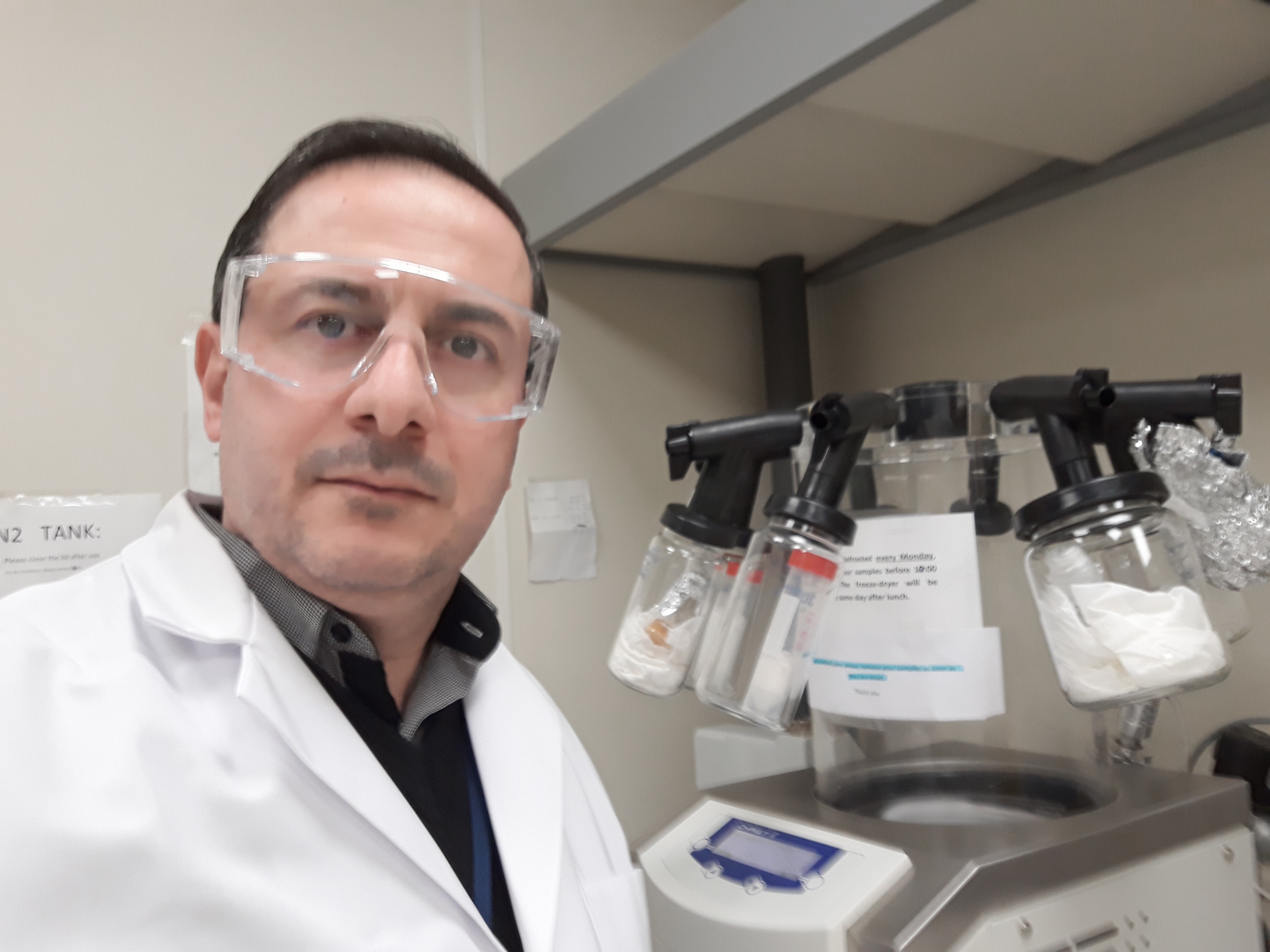
An Inspirational Researcher in Interdisciplinary Studies
Dr. Shadi Sawalha is an Assistant Professor of Chemical Engineering at An-Najah National University. He earned his Ph.D. in Materials Engineering and Nanotechnology from the University of Salento, Italy. His research interests focus on the synthesis and characterization of carbon nanomaterials (Carbon Nanodots) from natural and renewable precursors and their applications in diverse fields, including optical and electrochemical sensing, photocatalytic environmental remediation, and biomedical applications, including antibacterial and anticancer activities. Dr. Sawalha is distinguished by his integrated interdisciplinary approach, which merges the principles of chemical engineering with chemistry, environmental science, biology, physics, and pharmacy to develop sustainable and innovative solutions for pressing scientific and societal challenges. This approach has resulted in numerous publications in reputable international journals and extensive local and global research collaborations.
The Beginning of the Journey
Dr. Sawalha's research journey was launched from a clear vision: to bridge the gap between fundamental materials science and sustainable engineering applications. This vision was cultivated during his graduate studies. His Master's research focused on enhancing the mechanical properties of recycled polymers using agricultural and industrial waste, providing early expertise in sustainability and waste valorization. His doctoral dissertation marked a significant transition into the advanced realm of carbon nanoallotropes and photoinduced phenomena, establishing a strong foundation in nanoscale functional systems. The core driver of this evolution was a firm belief in the potential to transform simple, renewable, and often discarded raw materials into advanced nanoplatforms. Since 2020, this trajectory has matured into a cohesive research program in which materials such as olive solid waste and tobacco molasses are converted into promising carbon nanodots—a practical embodiment of the "waste-to-value" concept. This progression reflects a strategic, long-term scientific vision deeply rooted in the core principles of Chemical Engineering.
Interdisciplinary (Multidisciplinary) Research Approach
Dr. Sawalha's research is built upon a structured model of scientific integration, functioning as a cohesive "research ecosystem" with Chemical Engineering as its foundation, branching into specialized partnerships across multiple disciplines. Chemical Engineering serves as the central hub, responsible for designing green synthesis routes for nanoparticles from sustainable precursors, controlling reaction parameters to tune material properties, modeling kinetic and photocatalytic performance, and assessing scalability for industrial applications.
Specialized Partnerships:
- Chemistry Collaboration: Focuses on understanding structure-property relationships through surface functionalization, spectroscopic characterization, and investigation of charge transfer mechanisms.
- Environmental Engineering Collaboration: Translates nanomaterial design into environmental performance through photocatalytic systems for pollutant degradation and solar-driven water disinfection.
- Microbiology Collaboration: Conducts rigorous evaluation of antibacterial activity, pathogen inhibition mechanisms, and nanomaterial-cell interactions.
- Pharmacy and Medical Sciences Collaboration: Investigates selective anticancer activity, cytotoxicity, and biocompatibility in 2D cell cultures and 3D tumor models under proper medical research standards.
- Polymer Engineering and Green Chemistry Collaboration: Develops sustainable bioplastics and advanced polymer composites contributing to the circular economy.
- Agricultural Sciences Collaboration: Explores functionalized biomaterials as novel biostimulants for sustainable crop production. This integrated model ensures each discipline contributes within its methodological domain while remaining connected to a unified research vision, generating outcomes unattainable by any single field working in isolation.
Major Interdisciplinary Research Contributions
This collaborative framework has yielded a series of notable interdisciplinary publications in prestigious scientific journals, categorized by collaborative theme:
1. Sensing Applications (in collaboration with Chemistry and Physics):
- Carbon (2020): Tailoring the sensing capabilities of carbon nanodots derived from olive solid wastes.
- Carbon Trends (2021): Development of a high-performance conductometric gas sensor based on nanomaterial engineering.
- Materials Today Sustainability (2024): Utilizing carbon nanodots synthesized from waste tobacco molasses as selective fluorescent probes for Iron (Fe+3) ions.
2. Environmental Remediation (in collaboration with Environmental Engineering):
- Nanomaterials (2020): Photocatalytic degradation of the antibiotic tetracycline using a ZnO/γ-Fe2O3 paramagnetic nanocomposite.
- Reaction Chemistry & Engineering (2024): Developing photocatalytic disinfection systems for S. aureus bacteria under simulated solar radiation.
- Particle & Particle Systems Characterization (2025): Enhancing the photocatalytic activity of a microwave-synthesized ZnO/CND nanohybrid for sustainable environmental remediation.
- Processes (2024): A critical review elucidating the role of carbon nanotubes in enhancing the thermal conductivity of nanofluids, contributing to the development of more efficient heat transfer fluids for environmental energy applications. (Reassigned to Environmental Engineering due to relevance to energy efficiency and sustainable thermal management)
3. Biomedical and Agricultural Applications (in collaboration with Biology, Pharmacy, and Agricultural Sciences):
- ACS Applied Bio Materials (2022): Investigating the broad-spectrum antibacterial activity of carbon nanodots synthesized from D-glucose.
- Surfaces and Interfaces (2023): Developing a visible light-driven ZnO/CND nanohybrid with broad-spectrum antimicrobial activity.
- Nanoscale Advances (2023): Green synthesis of fluorescent carbon nanodots from sage leaves demonstrating selective anticancer activity in 2D and 3D liver cancer models.
- International Journal of Biological Macromolecules (2025): Advancing sustainable agriculture through chitosan-functionalized amino acids as novel biostimulants, developed in collaboration with agricultural and biological researchers to enhance crop productivity and reduce chemical fertilizer dependence. (Reassigned to Agricultural/Biological Sciences)
- An-Najah University Journal for Research (2025): Developing silver nanoparticle/PVA nanocomposite films with enhanced electrical, thermal, and antimicrobial properties for potential biomedical and packaging applications, in collaboration with physics and microbiology teams. (Reassigned to Biomedical/Materials Physics due to antimicrobial and material property focus)
4. Sustainable Polymers and Bioplastics (in collaboration with Polymer Engineering and Green Chemistry):
- Materials (2025): Developing sustainable starch-derived bioplastics for industrial applications, contributing to the circular economy and reducing dependence on fossil-based plastics. (Reassigned to Polymer Engineering/Green Chemistry)
Conclusion
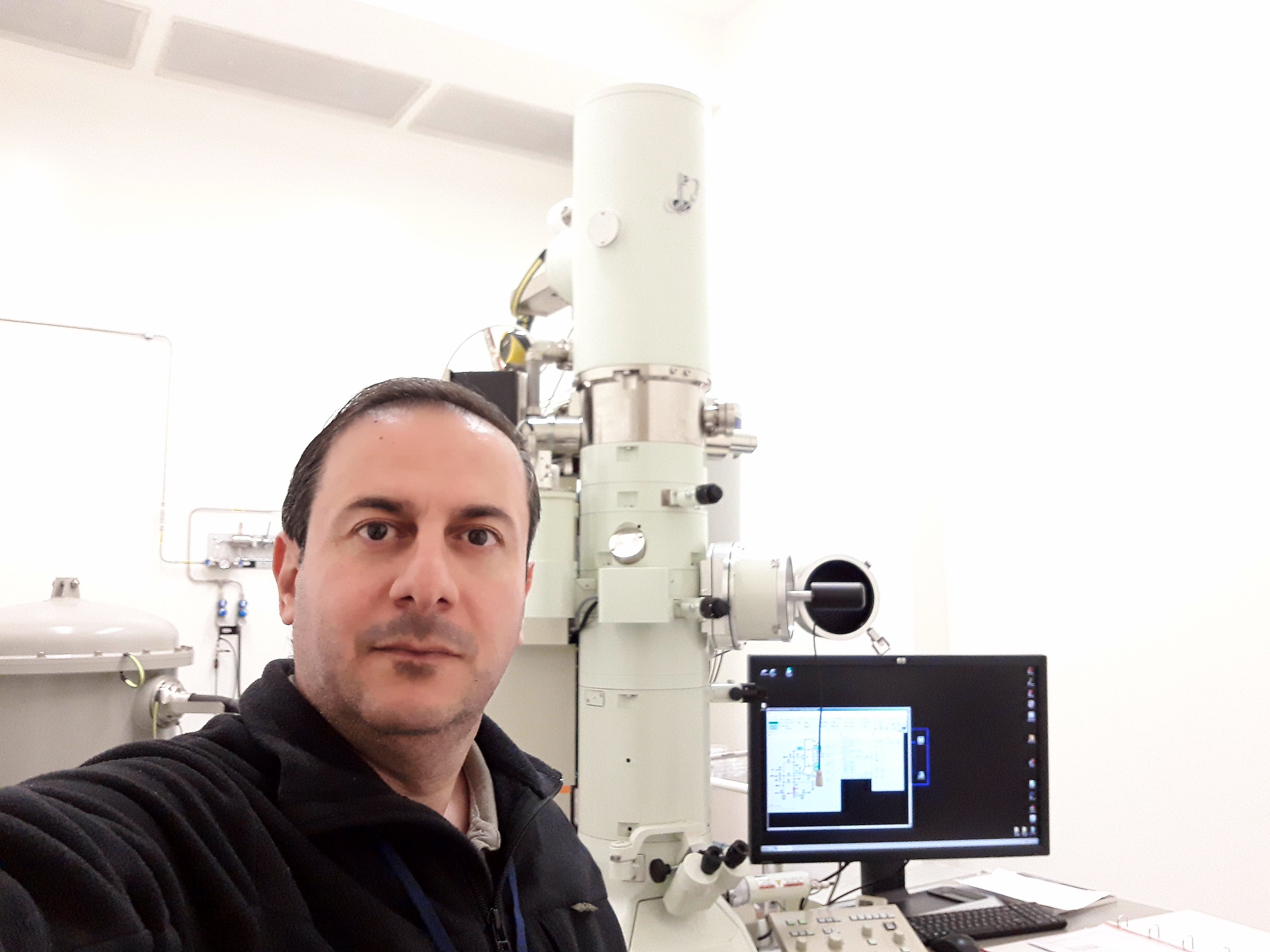
SDr. Shadi Sawalha's research experience exemplifies an inspiring model for the modern academic researcher—one who transcends the boundaries of a single discipline to weave a network of purposeful knowledge partnerships. His career demonstrates that Chemical Engineering, when opened to the horizons of other sciences, can become a launchpad for innovative and sustainable solutions that touch vital aspects of our lives: from a cleaner environment and purer water to precise pollutant sensing and promising medical applications for combating disease. Through this methodical, collaborative, and interdisciplinary approach, Dr. Sawalha continues to translate his research into rigorous scientific knowledge and tangible societal impact, solidifying his position as an inspiring researcher in the field of interdisciplinary studies.
Scientific Publications
- Sawalha, S., & El-Hamouz, A. (2010). Improvements of the tensile properties of recycled high-density polyethylene (HDPE) by the use of carbonized olive solid waste. Polymer-Plastics Technology and Engineering, 49(4), 387-393. Taylor & Francis.
DOI: 10.1080/03602550903532141
- Aurilia, M., Sorrentino, L., Berardini, F., Sawalha, S., & Iannace, S. (2012). Mechanical properties of nano/micro multilayered thermoplastic composites based on PP matrix. Journal of Thermoplastic Composite Materials, 25(7), 835-849. SAGE Publications.
DOI: 10.1177/0892705711414094 - Nassar, N. N., Arar, L. A., Marei, N. N., Ghanim, M. M. A., Dwekat, M. S., & Sawalha, S. H. (2014). Treatment of olive mill-based wastewater by means of magnetic nanoparticles: Decolourization, dephenolization, and COD removal. Environmental Nanotechnology, Monitoring & Management, 1, 14-23. Elsevier.
DOI: 10.1016/j.enmm.2014.09.001 - Sawalha, S., Ma'ali, R., Surkhi, O., Sawalha, M., Dardouk, B., Walwel, H., & Haj Ahmad, D. (2019). Reinforcing of low-density polyethylene by cellulose extracted from agricultural wastes. Journal of Composite Materials, 53(2), 219-225. SAGE Publications.
DOI: 10.1177/0021998318781702 - Sawalha, S. , Carbone, L., Giancane, G., Prato, M., & Valli, L. (2019). Carbon nanodot-based heterostructures for improving the charge separation and the photocurrent generation. Nanoscale, 11(15), 7414-7423. Royal Society of Chemistry.
DOI: 10.1039/C9NR00951E - Sawalha, S., Ma'ali, R., Joma'a, R., Salhi, Y., & Edaily, K. (2021). Tensile modulus of film stacked palm fibers-LDPE sheet composites. Journal of Natural Fibers, 18(10), 1395-1403. Taylor & Francis.
DOI: 10.1080/15440478.2019.1691115
- Sawalha, S., Silvestri, A., Criado, A., Bettini, S., Prato, M., & Valli, L. (2020). Tailoring the sensing abilities of carbon nanodots obtained from olive solid wastes. Carbon, 167, 696-708. Pergamon.
DOI: 10.1016/j.carbon.2020.06.011 - Sawalha, S., Milano, F., Guascito, M. R., Bettini, S., Giotta, L., Operamolla, A., Da Ros, T., Prato, M., & Valli, L. (2020). Improving 2D-organization of fullerene Langmuir-Schäfer thin films by interaction with cellulose nanocrystals. Carbon, 167, 906-917. Pergamon.
DOI: 10.1016/j.carbon.2020.05.060 - Semeraro, P., Bettini, S., Sawalha, S., Pal, S., Licciulli, A., Marzo, F., Lovergine, N., & Valli, L. (2020). Photocatalytic degradation of tetracycline by ZnO/γ-Fe2O3 paramagnetic nanocomposite material. Nanomaterials, 10(8), 1458. MDPI.
DOI: 10.3390/nano10081458 - Kashkoulinejad-Kouhi, T., Sawalha, S. , Safarian, S., & Arnaiz, B. (2021). A carbon-based nanocarrier for efficient gene delivery. Therapeutic Delivery, 12(4), 311-323. Taylor & Francis.
10.4155/tde-2020-0135 - Sawalha, S. , Moulaee, K., Nocito, G., Silvestri, A., Petralia, S., Prato, M., Bettini, S., Valli, L., Conoci, S., & Neri, G. (2021). Carbon-dots conductometric sensor for high-performance gas sensing. Carbon Trends, 5, 100105. Elsevier.
DOI: 10.1016/j.cartre.2021.100105 - Milano, F., Guascito, M. R., Semeraro, P., Sawalha, S. , Da Ros, T., Operamolla, A., Giotta, L., Prato, M., & Valli, L. (2021). Nanocellulose/fullerene hybrid films assembled at the air/water interface as promising functional materials for photo-electrocatalysis. Polymers, 13(2), 243. MDPI.
DOI: 10.3390/polym13020243 - Sawalha, S. H., Ma'ali, R., Mushatti, H., & Makharzeh, M. (2022). Acidic whey as a novel coupling agent for composites based on E-Glass fibers and low-density polyethylene. An-Najah University Journal for Research - A (Natural Sciences), 36(1), 91-108. An-Najah National University.
DOI: 10.35552/anujr.a.36.1.2005
- Sawalha, S., Assali, M., Nasasrah, A., Salman, M., Nasasrah, M., Jitan, M., Hilal, H. S., & Zyuod, A. (2022). Optical properties and photoactivity of carbon nanodots synthesized from olive solid wastes at different carbonization temperatures. RSC Advances, 12(8), 4490-4500. Royal Society of Chemistry.
DOI: 10.1039/D1RA09273A - Sawalha, S., Assali, M., Raddad, M., Ghneem, T., Sawalhi, T., Almasri, M., Zarour, A., Misia, G., Prato, M., & Silvestri, A. (2022). Broad-spectrum antibacterial activity of synthesized carbon nanodots from d-glucose. ACS Applied Bio Materials, 5(10), 4860-4872. American Chemical Society.
DOI: 10.1021/acsabm.2c00590 - Hamed, R., Sawalha, S. , Assali, M., Shqair, R. A., Al-Qadi, A., Hussein, A., Alkowni, R., & Jodeh, S. (2023). Visible light-driven ZnO nanoparticles/carbon nanodots hybrid for broad-spectrum antimicrobial activity. Surfaces and Interfaces, 38, 102760. Elsevier.
DOI: 10.1016/j.surfin.2023.102760 - Sawalha, S. , Hamed, R., & Assali, M. (2023). Parameters affecting methylene blue dye photodegradation by carbon dots prepared from olive pomace. ChemistrySelect, 8(14), e202300522.
DOI: 10.1002/slct.202300522 - Sawalha, S. , Abdallah, S., Barham, A., Badawi, H., Barham, Z., Ghareeb, A., Misia, G., Collavini, S., Silvestri, A., & Prato, M. (2023). Green synthesis of fluorescent carbon nanodots from sage leaves for selective anticancer activity on 2D liver cancer cells and 3D multicellular tumor spheroids. Nanoscale Advances, 5(21), 5974-5982. Royal Society of Chemistry.
DOI: 10.1039/D3NA00269A
- Sawalha, S. (2023). Recycling and Reinforcing of Expanded Polystyrene by Woven Mat and Short E-Glass fibers. An-Najah University Journal for Research-A (Natural Sciences), 38(1), 17-21.
DOI: 10.35552/anujr.a.38.1.2133
- Sawalha, S. , Assali, M., Yaseen, A., Ataya, A., Refai, L., Hamed, R., Misia, G., Collavini, S., & Silvestri, A. (2024). Carbon nanodots synthesized from used tobacco molasses as promising selective probes for Fe (III) ion sensing. Materials Today Sustainability, 25, 100697. Elsevier.
DOI: 10.1016/j.mtsust.2024.100697 - Shqier, R., Zyoud, A., Helal, M. H., Nassar, H., Alkowni, R., Assali, M., Zyoud, S., Qamhieh, N., Hajamohideen, A. R., Sawalha, S. , & Hilal, H. S. (2024). TiO2 nanopowder and nanofilm catalysts in the disinfection and mineralization of S. aureus with solar-simulated radiation. Reaction Chemistry & Engineering, 9(7), 1762-1775. Royal Society of Chemistry.
DOI: 10.1039/D3RE00540B - Khoswan, I., Nassar, H., Assali, M., AbuSafa, A., Sawalha, S. , & Hilal, H. S. (2024). Why carbon nanotubes improve aqueous nanofluid thermal conductivity: a qualitative model critical review. Processes, 12(4), 834. MDPI.
DOI: 10.3390/pr12040834 - Sawalha, S. , Assali, M., Farhoud, W., Abu-Shqair, R., Hamed, R., & Qadi, A. (2025). Enhanced Photocatalytic Activity of One‐Pot Microwave‐Synthesized ZnO/CND Hybrid for Sustainable Environmental Remediation. Particle & Particle Systems Characterization, 42(6), 2400216.
DOI: 10.1002/ppsc.202400216 - Salameh, S., Soboh, S., Bsharat, A., Maali, R., Assali, M., Ishtaiwi, M., Hajjyahya, M., Zarour, A., & Sawalha, S. (2025). Preparation of Silver Nanoparticles/Polyvinyl alcohol Nanocomposite Films with Enhanced Electrical, Thermal, and Antimicrobial Properties. An-Najah University Journal for Research-A (Natural Sciences), 40(2).
DOI: 10.35552/anujr.a.39.3.2380
- Sobeih, M. O., Sawalha, S. , Hamed, R., Ali, F., & Kim, M. P. (2025). Starch-derived bioplastics: Pioneering sustainable solutions for industrial use. Materials, 18(8), 1762. MDPI.
DOI: 10.3390/ma18081762 - Assali, M., Sawalha, S. , Hamad, R., Badran, I., & Eid, A. (2025). Chitosan-functionalized amino acids as biostimulants for advancing sustainable agriculture. International Journal of Biological Macromolecules, 147831. Elsevier.
DOI: 10.1016/j.ijbiomac.2025.147831